
COLOR BLINDNESS
WHAT IS COLOR BLINDNESS
Color blindness is a color vision deficiency leading to the incapacity of the eyes to see and differentiate between various colors. The condition is genetic & is often due to a deficiency in the cones or photoreceptors of the eyes.
A person affected by color blindness may see the colors as washed out or confuse two colors as one making it hard to figure the difference. While some people find out about the inaccuracy in the color perception early in life, many people remain unaware until later years when they appear for comprehensive eye exams for their career choices.
TYPES OF COLOR BLIND
Red-green color blindness
The most common type of color blindness makes it hard to tell the difference between red and green.
There are 4 types of red-green color blindness:
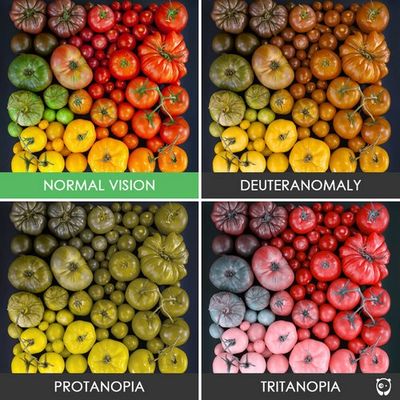
- Deuteranomaly is the most common type of red-green color blindness. It makes green look more red. This type is mild and doesn’t usually get in the way of normal activities.
- Protanomaly makes red look more green and less bright. This type is mild and usually doesn’t get in the way of normal activities.
- Protanopia and deuteranopia both make you unable to tell the difference between red and green at all.
Blue-yellow color blindness
This less-common type of color blindness makes it hard to tell the difference between blue and green, and between yellow and red.
There are 2 types of blue-yellow color blindness:
- Tritanomaly makes it hard to tell the difference between blue and green, and between yellow and red.
- Tritanopia makes you unable to tell the difference between blue and green, purple and red, and yellow and pink. It also makes colors look less bright.
Complete color blindness
If you have complete color blindness, you can’t see colors at all. This is also called monochromacy, and it’s quite uncommon. Depending on the type, you may also have trouble seeing clearly and you may be more sensitive to light.
COLOR BLIND TEST
Color Blind Test info
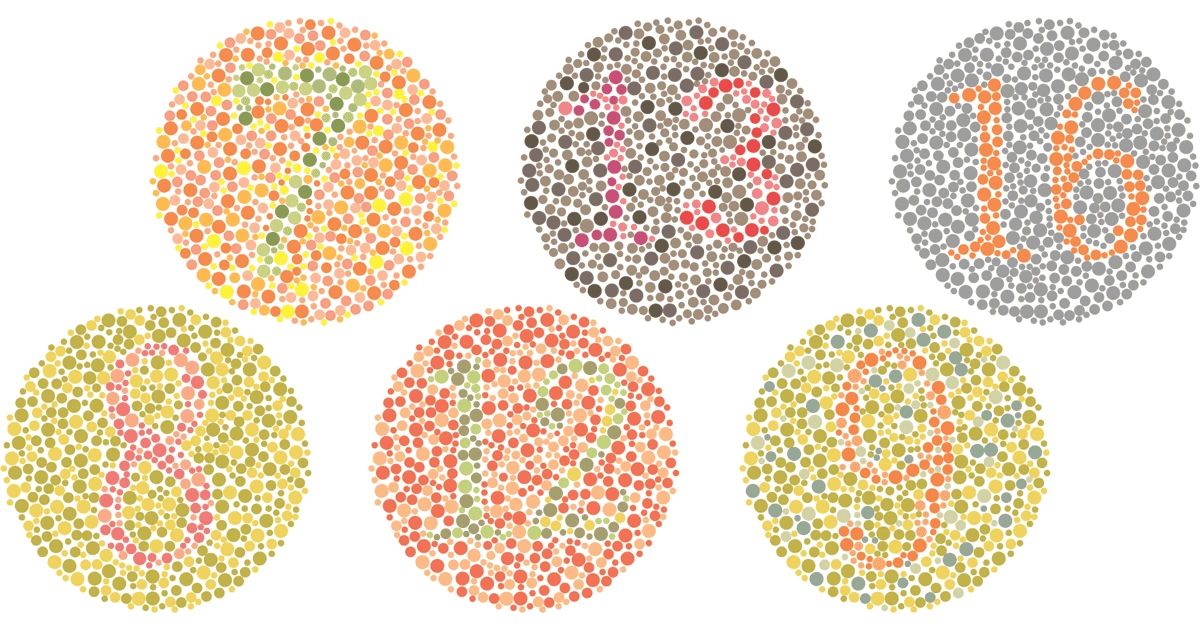
Around the world, approximately 1 in 12 men and 1 in 200 women are affected by color blindness. This fairly common condition often goes undiagnosed, because patients do not realize they aren’t seeing colors like other people do. yet testing for color blindness is simple and doesn’t even require a trip to the doctor. You can do it easily online using your computer. Simply look at the symbols below and enter the numbers that you can see. You will get an instant result that will help you know whether or not you are struggling with color blindness.
How does the Color Blind Test work?
This test, known as the Ishihara Test, makes numbers out of dots that are a different color than the dots surrounding them. Someone who is color blind sees all of these dots as the same color, whereas someone with normal vision can distinguish the different colors. Ishihara Test a type of Color Blind Test is a fast and simple way to determine whether or not you are struggling.
Color Blind Test or the Ishihara test contains a number of colored plates, known as Ishihara plates. All of the plates contain a circle of dots appearing in random order of color and size. Most people will view the images differently (mostly Arabic numbers). Those with certain types of color blindness will see different numbers from those not affected by color blindness.
A color code happens when there is some information in the color of items being analysed. These codes cannot be easily explained by those who have color blindness. This is the main reason as to why, color should not be the sole criteria to provide information. The ideal way to to avoid color coding or color differences is to use Good graphic design to give information. This not only helps the color blind people, but is also helpful to the normal vision people.